
Why Green Zone Ally Training Matters
Veteran and military cultural awareness training is indispensable for higher education institutions aiming to create inclusive and supportive environments for students with military backgrounds. These individuals bring a wealth of experience, skills, and perspectives that enrich the academic community, but they also face unique challenges during their transition from military service to academia
Firstly, such training fosters understanding and empathy among faculty, staff, and fellow students, creating a welcoming atmosphere for veterans on campus. By educating the university community about the military experience, including the values, customs, and challenges associated with it, institutions can break down stereotypes and misconceptions, promoting a culture of respect and appreciation.
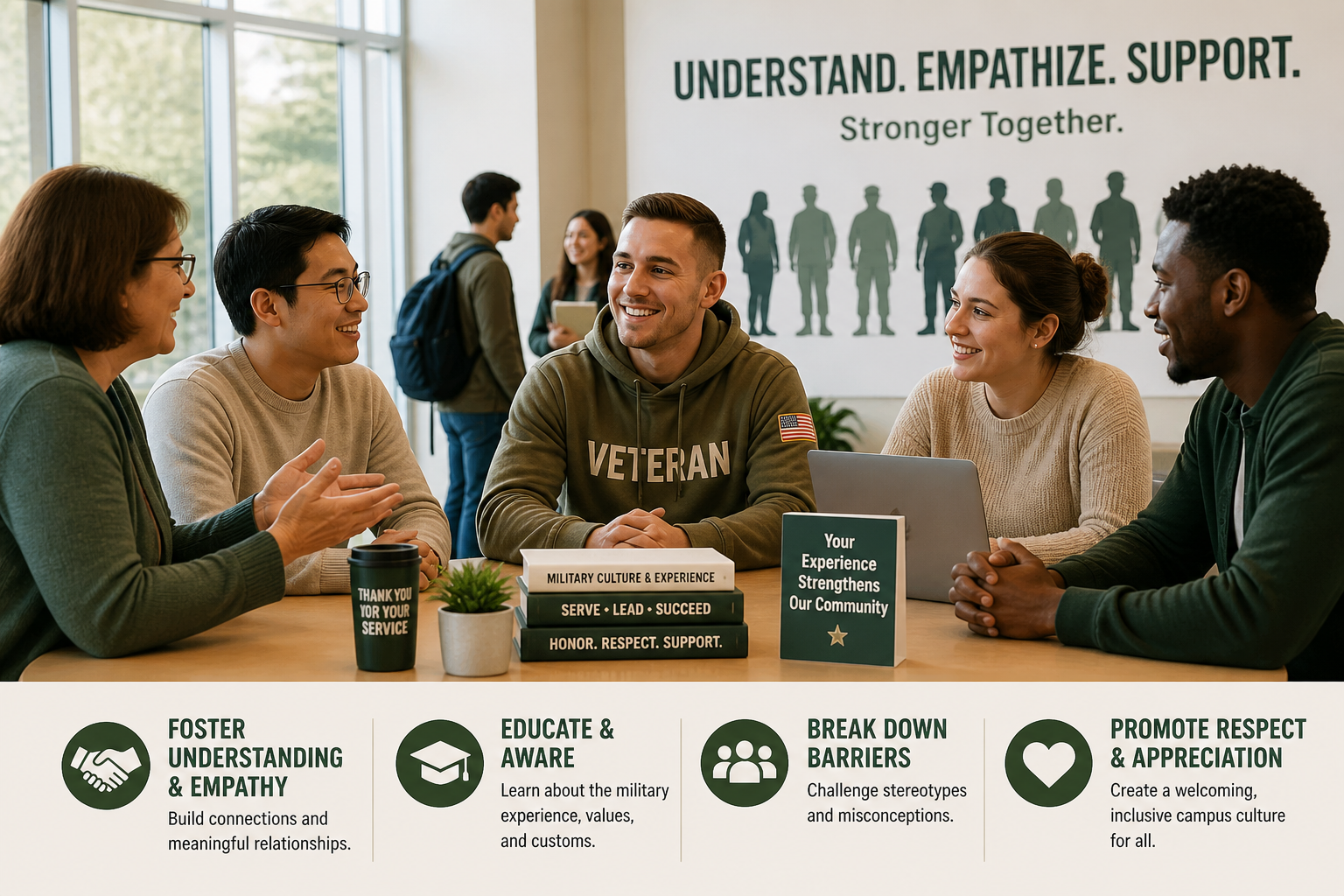

Secondly, veteran and military cultural awareness training equips faculty and staff with the knowledge and skills necessary to effectively support veteran students throughout their academic journey. From navigating the admissions process to accessing resources for academic success and mental health support, veterans may require specialized assistance. By understanding their unique needs and experiences, higher education institutions can tailor their services and programs to better serve this population, ultimately enhancing retention and graduation rates among veteran students.
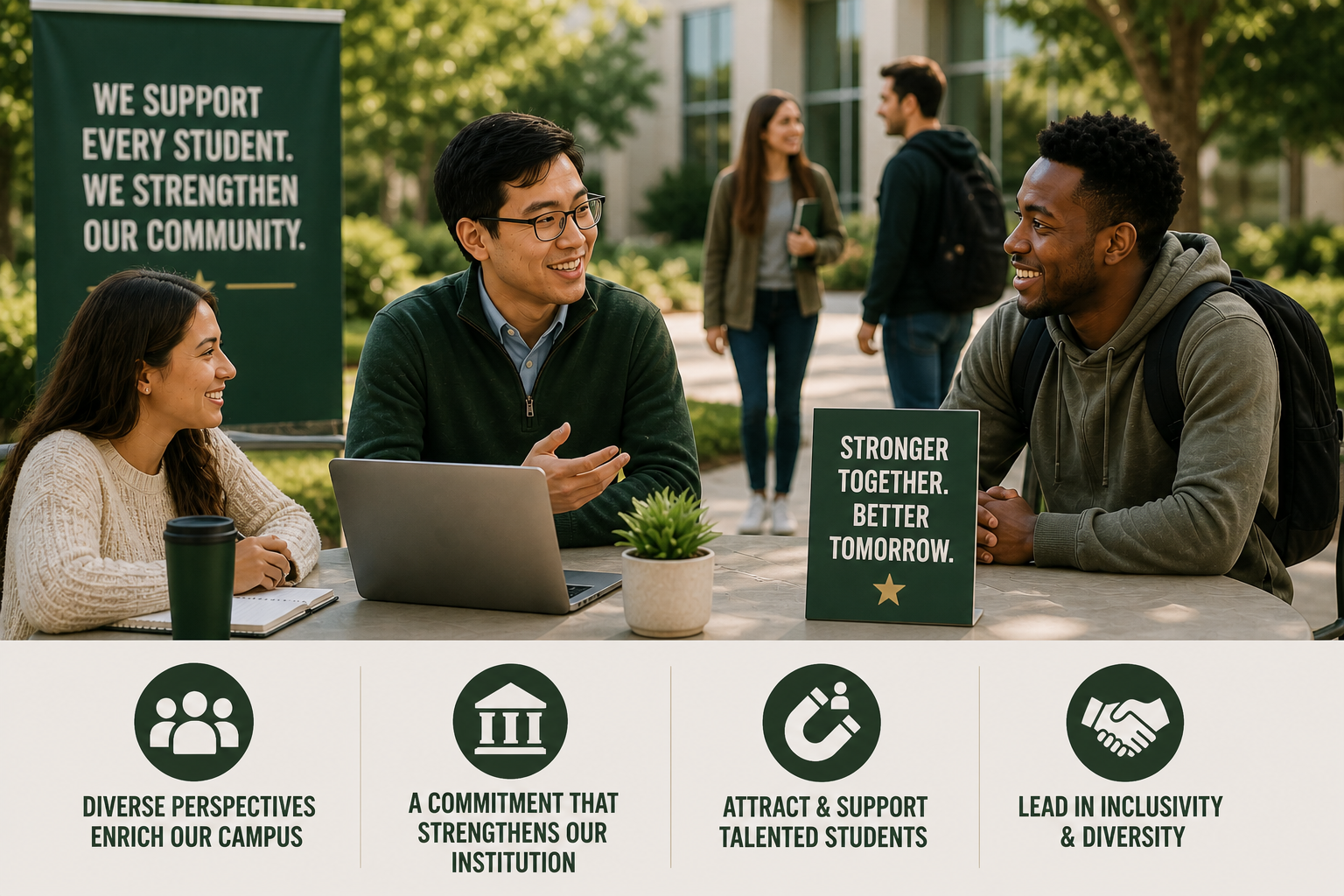
In addition, embracing veteran and military cultural awareness can enhance the reputation and appeal of higher education institutions. Veterans and military-affiliated students represent a growing demographic within the student body, and their presence enriches the diversity of perspectives on campus. By demonstrating a commitment to supporting veteran students, universities can attract talented individuals with military backgrounds and position themselves as leaders in promoting inclusivity and diversity.
In conclusion, veteran and military cultural awareness training is essential for higher education institutions striving to create inclusive, supportive, and thriving academic communities. By fostering understanding, providing targeted support, and enhancing their reputation, universities can better serve veteran students and contribute to their success both in academia and beyond.